AI SKIN REPORT
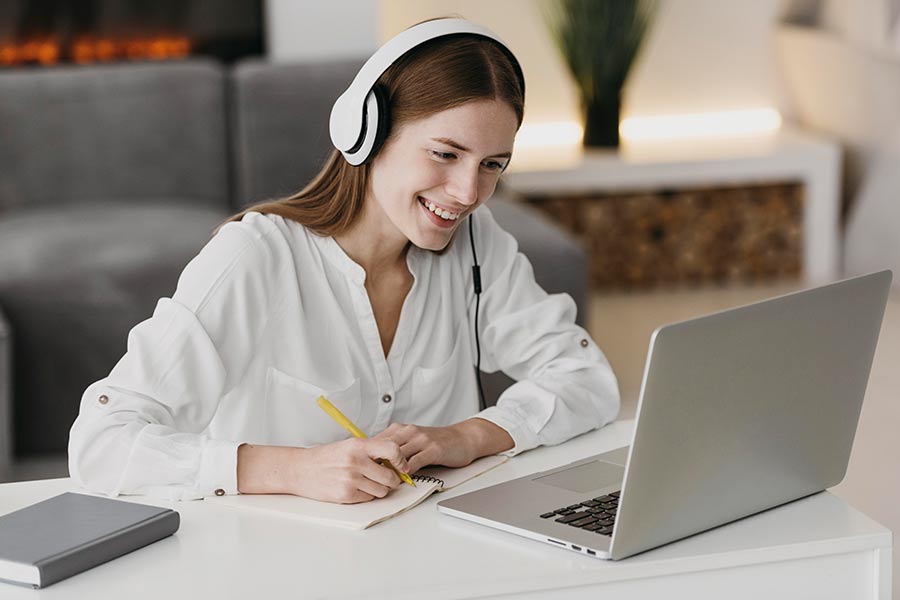
Create an ultra-detailed premium dermatology-style skincare analysis graphic using this portrait as the main subject. The graphic must feel like a high-end AI skin consultation sheet from a luxury skincare clinic or advanced skin analysis app. Design style: minimal, clean, modern, black/white or soft neutral aesthetic with elegant typography, thin lines, glassmorphism UI cards, facial mapping overlays, charts, arrows, tags, comparison panels, ingredient icons, progress indicators, and clinical beauty-report visuals. Identify the likely skin type (oily / dry / combination / sensitive) and analyze hydration levels, sebum/oil production, pore visibility, redness, acne/post-acne, skin texture, irritation, skin barrier condition, elasticity, under-eye condition, uneven tone, and inflammation. Include a skin undertone analysis (cool / warm / neutral / olive) and a skin barrier analysis with visual explanation. Highlight different facial zones using overlays and color-coded mapping. Add detailed facial callouts with arrows pointing to specific skin concerns. Include side-by-side comparison blocks for current vs improved skin texture, hydration comparison, pores comparison, redness reduction preview, skin barrier recovery preview, and before/after proper skincare routine examples. Generate a realistic personalised skincare routine based on the visible skin condition with separate sections for MORNING ROUTINE, EVENING ROUTINE, and WEEKLY TREATMENTS. For each step include product category, ideal texture/type, recommended active ingredients, usage frequency, and simple visual instructions/icons. Include categories such as cleanser, toner/essence, serum, moisturiser, SPF, exfoliant, calming treatment, spot treatment, and barrier repair cream. Visually highlight ingredients that suit this specific skin, including niacinamide, azelaic acid, ceramides, panthenol, centella asiatica, zinc PCA, hyaluronic acid, retinal/retinol (if appropriate), and salicylic acid (if appropriate). Al so include an “avoid / use carefully” section with ingredients that may worsen the visible skin condition. Add realistic example product recommendations with small premium product renders or packaging-style icons using recognizable skincare brands such as CeraVe, La Roche-Posay, The Ordinary, COSRX, Bioderma, Paula’s Choice, Skin1004, Round Lab, and Avène. Show which products are best for this skin, what each product targets, usage frequency, and AM/PM labels. Keep the graphic visual-first with only short labels and minimal text — no long paragraphs. Everything should look like an advanced professional skin diagnostics dashboard with scores, percentages, indicators, icons, progress bars, realistic macro skin texture closeups, and elegant headings such as “AI Skin Report” or “Skin Health Analysis.” The final result should feel expensive, futuristic, medically credible, and social-media friendly. All visible text in the graphic must be in Italian.